
If you walk past an upholstery workshop, you might only hear the hum of a sewing machine or the
soft thump of a staple gun. From the outside, it looks simple. But step inside, and you’ll quickly
realize there’s a whole world behind the craft.
This is the third story in our From the Workshop series, where we take a closer look at the everyday
work, challenges, and satisfaction that come with upholstery. For many people in Morningside,
Durban, upholstery might just mean fixing an old couch or replacing worn-out dining chair fabric.
But for an upholsterer, every piece of furniture carries a story.
And sometimes, that story starts long before the first stitch.
The Morning Routine in the Workshop
Most days in the workshop start early. Before the sewing machine warms up or fabric is rolled out
across the table, there’s always a moment of planning.
An upholsterer looks at the furniture waiting in the workshop — maybe a well-loved couch that has
seen years of family movie nights, or a dining chair set that has survived countless dinners.
Each piece tells its own story.
Some clients bring furniture because they want to keep a memory alive. Others simply realize that
repairing good furniture is far better than replacing it.
In areas like Morningside, where many homes mix modern style with classic pieces, upholstery
plays an important role in maintaining both comfort and character.
Why Upholstery Still Matters
Many people assume it’s easier to just buy new furniture. But experienced upholsterers know that
reupholstery often offers better value.
Older furniture is frequently built with stronger wooden frames and higher-quality craftsmanship
than many modern mass-produced pieces.
By restoring the upholstery, you keep the structure while giving the furniture a completely new look.
Reupholstery can also allow homeowners to customize their furniture in ways stores cannot offer.
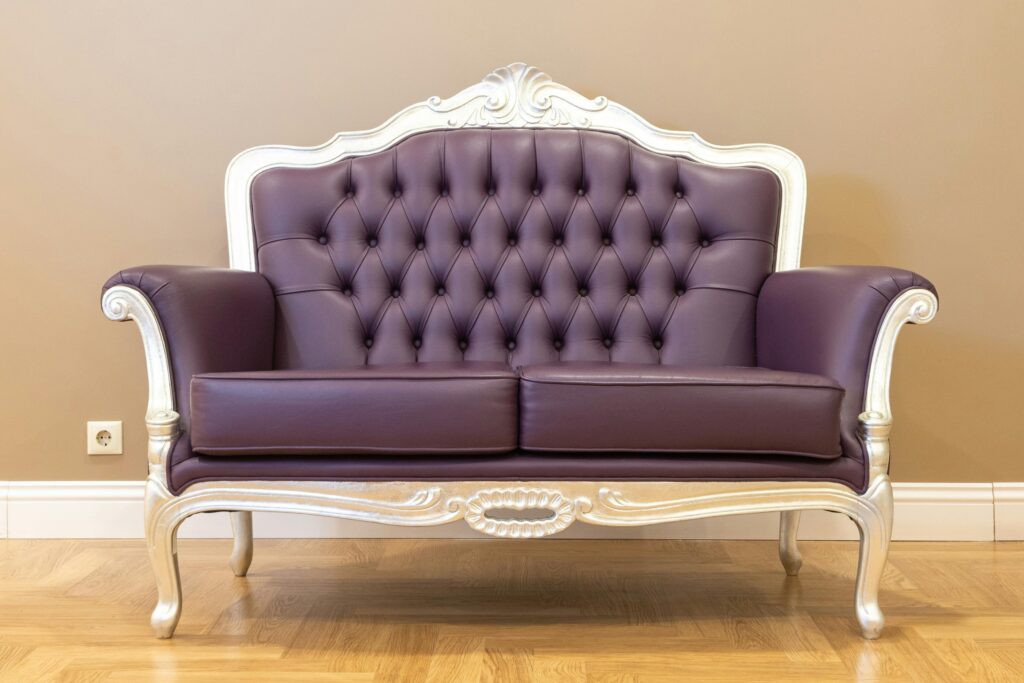
Fabric choices, textures, colors, and finishes can all be tailored to match the design of a room.
This is one reason why upholstery services in Durban continue to be in demand. Instead of
replacing furniture, many homeowners choose to restore it.
The Process Behind a Reupholstered Chair
When a piece of furniture arrives at the workshop, the process begins with careful inspection.
First, the upholsterer removes the old fabric.
This step reveals what’s underneath — sometimes
worn foam, sometimes damaged springs, and occasionally surprising craftsmanship from decades
ago.
Next comes the repair stage. Frames may be reinforced, springs tightened, and padding replaced.
Only after the foundation is solid does the creative part begin.
Fabric is measured and cut carefully. Patterns must align correctly, especially with striped or
patterned materials. Precision matters, because even a small mistake can be visible once the fabric
is stretched across the frame.
Finally, the new fabric is attached, stitched, and detailed until the furniture looks fresh again.
To the client, the piece may look brand new. But the upholsterer knows exactly how much work
went into every corner, seam, and staple.
The Craft Behind the Skill
Upholstery is not something most people learn overnight.
It’s a craft built through experience, patience, and plenty of trial and error. Many upholsterers start
with basic repairs before learning more complex projects like sofas, antique chairs, or custom
designs.
Working in a small workshop also means wearing many hats. One day might involve repairing a
broken frame, the next might be selecting fabrics with a client or delivering finished furniture.
For local upholsterers in Durban, the work can be both creative and practical at the same time.
And that balance is part of what makes the craft so rewarding.
From the Workshop: A Real Perspective
In a small upholstery workshop, every project feels different.
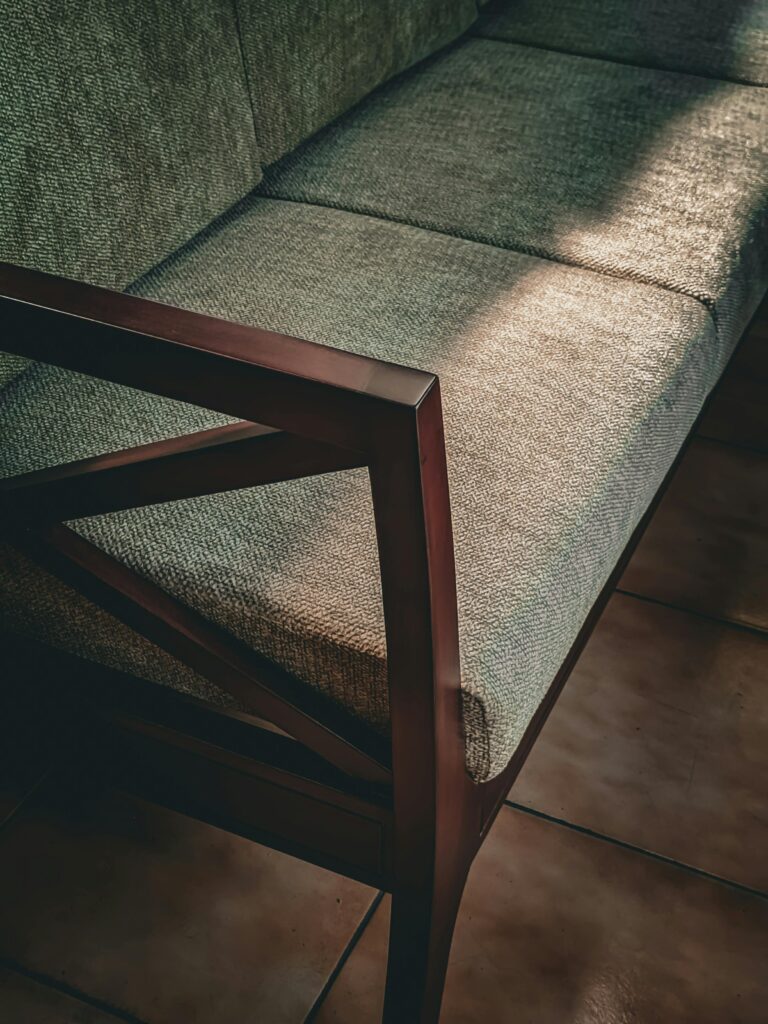
Some days bring simple repairs. Other days bring unique pieces that challenge your creativity.
There’s always something satisfying about seeing a worn-out piece transformed into something
beautiful again.
Sometimes clients are amazed when they see the finished work. They remember how the furniture
looked when they first brought it in, and suddenly it feels like a brand-new addition to their home.
Moments like that are what make the craft worthwhile.
Because upholstery isn’t just about fabric and foam. It’s about restoring comfort, preserving
memories, and giving furniture a second life.
Upholstery in Morningside Durban: Choosing the Right Service
If you’re thinking about reupholstering furniture in Morningside or nearby areas of Durban, it’s
important to choose someone who understands both the craft and the materials.
A good upholsterer will guide you through fabric choices, explain the repair process, and help you
decide whether reupholstery is the best option for your furniture.
Quality work takes time, but the results often last for many years.
Instead of replacing furniture, you end up with something uniquely yours.
Looking Ahead in the Series
This From the Workshop series will continue exploring the world behind upholstery — the tools,
techniques, and everyday stories that make the craft what it is.
In the next article, we’ll take a closer look at one of the most important parts of any upholstery
project: choosing the right fabric.
Because the right material can completely transform a piece of furniture.
Until then, remember that every chair, couch, and cushion has the potential for a second life.
Sometimes clients are amazed when they see the finished work. They remember how the furniture
looked when they first brought it in, and suddenly it feels like a brand-new addition to their home.
Moments like that are what make the craft worthwhile.
Because upholstery isn’t just about fabric and foam. It’s about restoring comfort, preserving
memories, and giving furniture a second life.
Upholstery in Morningside Durban: Choosing the Right Service
If you’re thinking about reupholstering furniture in Morningside or nearby areas of Durban, it’s
important to choose someone who understands both the craft and the materials.
A good upholsterer will guide you through fabric choices, explain the repair process, and help you
decide whether reupholstery is the best option for your furniture.
Quality work takes time, but the results often last for many years.
Instead of replacing furniture, you end up with something uniquely yours.
Looking Ahead in the Series
This From the Workshop series will continue exploring the world behind upholstery — the tools,
techniques, and everyday stories that make the craft what it is.
In the next article, we’ll take a closer look at one of the most important parts of any upholstery
project: choosing the right fabric.
Because the right material can completely transform a piece of furniture.
Until then, remember that every chair, couch, and cushion has the potential for a second life.
Sometimes, it just needs the hands of a skilled upholsterer.